Know all the basics of a gas detector and how does it work?
What Is Gas Detection?
Gas detection is the process of identifying and measuring the presence of specific gases in the air. Gas detection equipment is used in many environments where combustible, toxic, or oxygen-deficient atmospheres may present a safety risk.
The history of gas detection goes back centuries. In early mining operations, canaries were sometimes used as biological indicators of dangerous atmospheric conditions. If a bird stopped singing or died, miners knew that the air could contain hazardous gases or insufficient oxygen. Modern gas detection technology has replaced these methods with electronic sensors that can detect specific gases quickly and provide audible, visual, or other warnings.
Today, portable gas detectors provide a much more precise and practical method of monitoring workplace and industrial environments.
How Does Gas Detection Work?
Gas detectors use sensors to detect and measure the concentration of specific gases in the surrounding atmosphere. The sensor responds to the presence of a target gas and produces a measurable signal that the instrument processes and displays.
When the detected gas reaches a programmed warning or alarm level, the gas detection instrument can alert the user. Depending on the device, alerts may include audible alarms, visual indicators, vibration, or a combination of these features.
Modern gas detectors can monitor one gas or multiple gases simultaneously, making them useful for a wide range of industrial, commercial, marine, and confined-space applications.
What Gases Can a Gas Detector Detect?
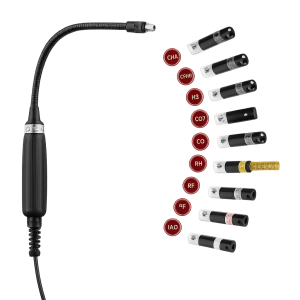
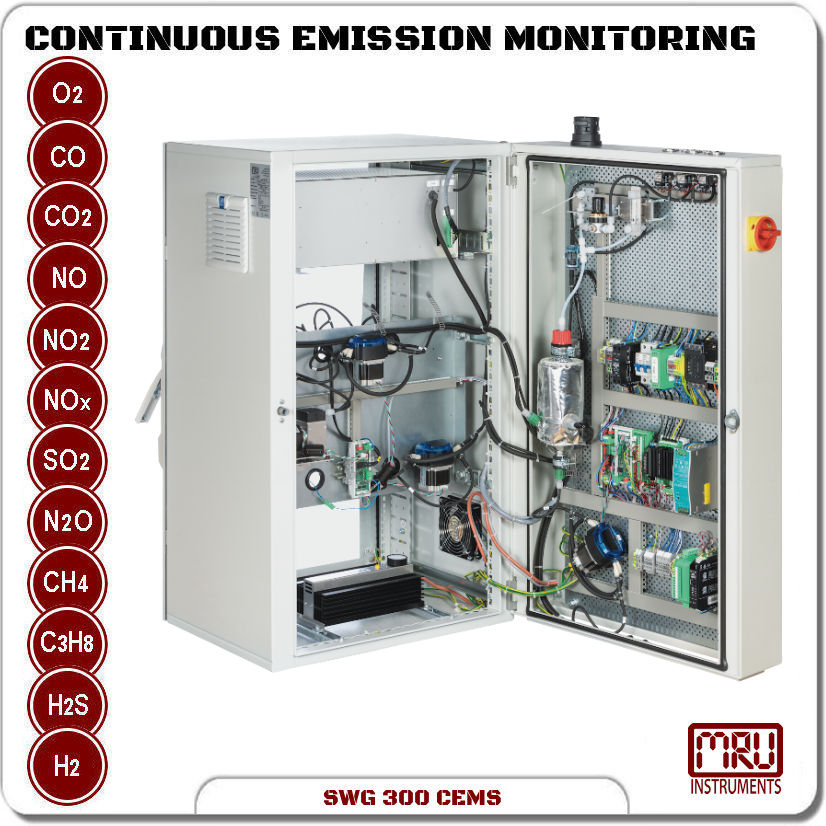
The gases measured during gas detection depend on the type of sensor installed in the instrument. Many portable multi-gas detectors are designed to monitor combinations of oxygen, combustible gases, hydrogen sulfide, and carbon monoxide.
Oxygen (O₂): Detects oxygen concentrations that may indicate an oxygen-deficient or oxygen-enriched atmosphere.
Combustible gases (LEL): Measures combustible gas concentrations relative to the lower explosive limit.
Hydrogen sulfide (H₂S): Detects a toxic gas that can occur in environments such as wastewater facilities, sewers, oil and gas operations, and other industrial applications.
Carbon monoxide (CO): Detects a toxic, colorless, and odorless gas associated with incomplete combustion.
The appropriate gas detection device depends on the hazards that may be present in the environment. Some applications require detection of additional gases beyond the standard four-gas configuration.
The Importance of Gas Detection Sensors
The sensor is one of the most important components of a gas detection instrument. Different sensors use different technologies depending on the gas being measured and the requirements of the application.
Many portable detectors designed to measure combustible gases use catalytic bead, or pellistor, sensors. These sensors detect combustible gases through a catalytic reaction and produce a signal corresponding to the concentration of the gas.
Other gas detection systems use technologies such as electrochemical, infrared, or other sensor technologies depending on the target gas. Selecting the correct sensor technology is important for obtaining reliable measurements.
Why Is Gas Detector Calibration Important?
Proper calibration is an essential part of reliable gas detection. Sensors can be affected by environmental conditions, exposure to certain gases, contamination, aging, and other factors. A sensor that is not properly maintained or calibrated may provide inaccurate readings.
Regular calibration and appropriate testing help ensure that the detector responds correctly when exposed to the gases it is designed to measure. Depending on the application and manufacturer’s requirements, bump testing may also be used to verify that the sensor and alarm functions are operating properly.
Gas detectors should be maintained according to the manufacturer’s instructions, including recommended calibration, sensor replacement, and functional testing schedules.
Portable Gas Detection for Workplace Safety
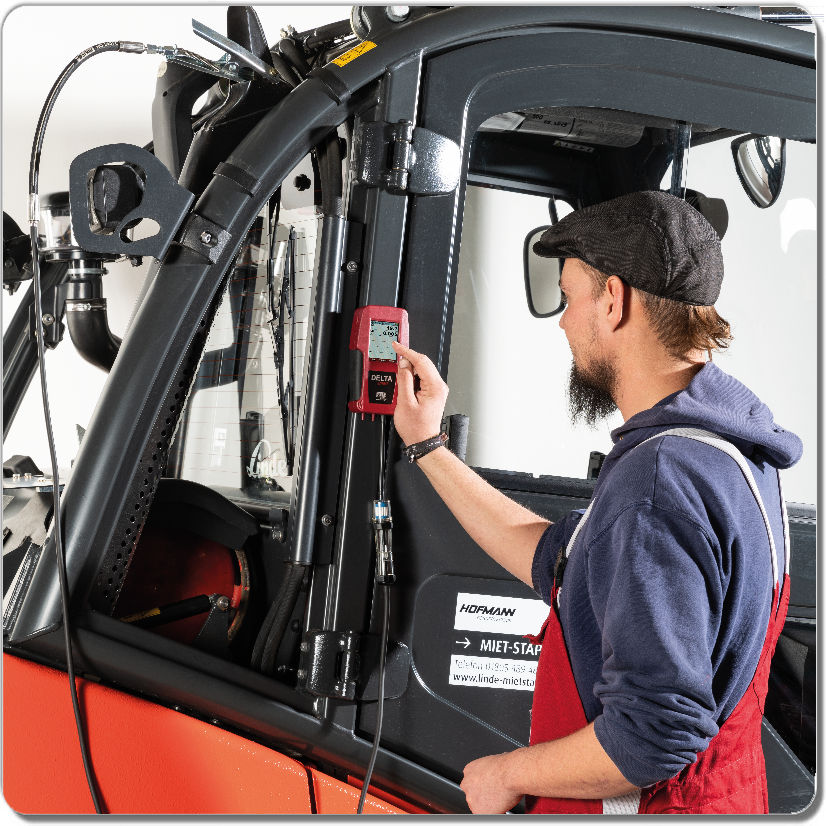
Portable gas detection equipment allows workers and technicians to monitor atmospheric conditions wherever they are working. Handheld gas detectors can be particularly useful in confined spaces, industrial facilities, utility operations, wastewater facilities, and other environments where hazardous gases may be present.
A portable gas detector can provide continuous monitoring while a worker is in the area being tested. Depending on the instrument, the detector can provide immediate warnings when gas concentrations reach specified alarm levels.
Choosing the Right Gas Detection Device
Selecting the appropriate gas detection equipment starts with identifying the gases and hazards that may be present in the environment. Consider the required gases, measurement ranges, sensor technology, operating conditions, alarm requirements, and whether the detector needs to monitor one gas or multiple gases.
A properly selected gas detection device can provide an important layer of protection by warning users about potentially hazardous atmospheric conditions. For professional applications, it is also important to follow applicable safety procedures and the manufacturer’s recommendations for operation and maintenance.
Gas Detection Equipment from MRU Instruments
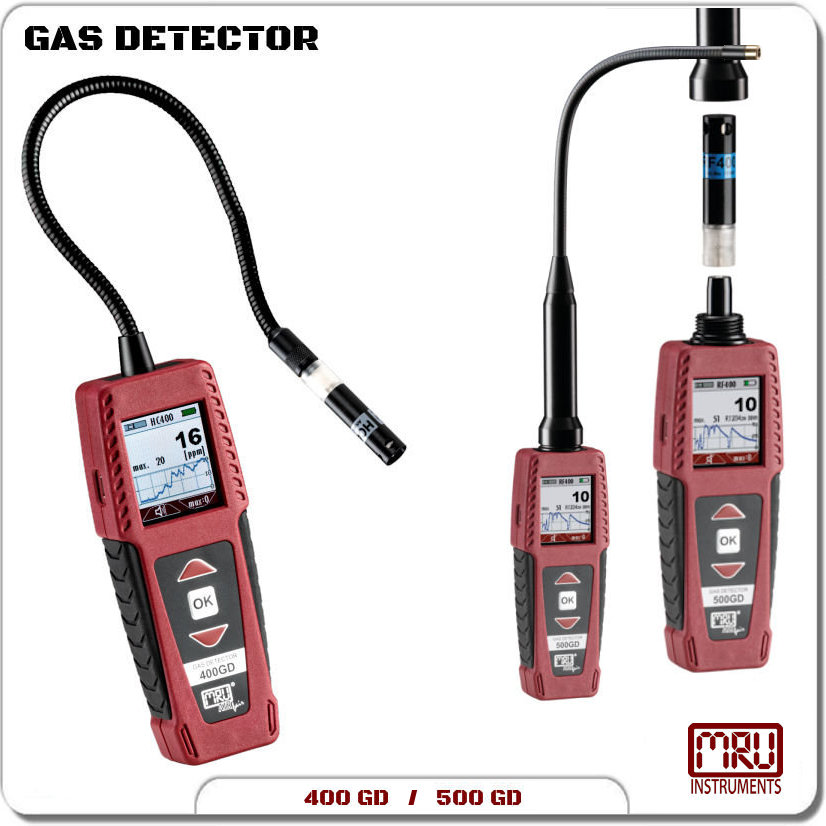
MRU Instruments provides professional gas detectors and gas analysis equipment for a variety of applications. Our gas detection products are designed to provide convenient and dependable monitoring for users who need to identify combustible or hazardous gases.
Explore the gas detection products below to compare available models and find equipment suited to your application.