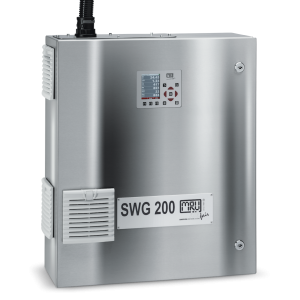
A continuous emissions monitoring system (CEMS) is used to continuously measure and monitor gases released from combustion and industrial processes. Continuous emissions monitoring provides facilities with ongoing data about exhaust and process gases rather than relying solely on periodic or manual measurements.
A CEMS emissions monitoring system can use cems analyzers to measure gases such as oxygen (O₂), carbon monoxide (CO), and carbon dioxide (CO₂), providing valuable information about combustion performance and emissions. Depending on the application, continuous emissions monitoring can support combustion optimization, process monitoring, environmental reporting, and compliance with applicable air-quality requirements.
What Does a Continuous Emissions Monitoring System Measure?
A continuous emissions monitoring system can be configured with cems analyzers to measure different gases and other parameters depending on the industrial process, equipment, and regulatory requirements. Commonly monitored emissions include:
Sulfur dioxide (SO₂)
Nitrogen oxides (NOₓ)
Carbon monoxide (CO)
Carbon dioxide (CO₂)
Oxygen (O₂)
Hydrogen chloride (HCl)
Hydrogen sulfide (H₂S)
Mercury
Volatile organic compounds (VOCs)
Particulate matter
Some continuous emissions monitoring systems can also measure parameters such as stack gas flow, moisture, temperature, and opacity. The specific measurements required depend on the facility, combustion process, pollutants being regulated, and applicable permit requirements. The appropriate cems analyzers are selected based on these measurement requirements.
Continuous Emissions Monitoring for Industrial Processes
Continuous emissions monitoring is commonly used in industrial facilities where ongoing information about stack or process emissions is required. Rather than taking occasional measurements, a CEMS can collect data at regular intervals and maintain an ongoing record of emissions.
A typical continuous emissions monitoring system consists of a sampling probe, filter, sample line or umbilical, gas conditioning system, calibration gas system, and one or more cems analyzers. Together, these components collect a representative gas sample, prepare it for analysis, measure the required gases, and record the resulting data.
A Data Acquisition and Handling System (DAHS) can collect and store measurements from the cems analyzers and perform calculations required for emissions monitoring, reporting, and compliance.
Hydrogen Sulfide (H₂S) in Continuous Emissions Monitoring
Hydrogen sulfide (H₂S) is an important gas to consider in certain industrial continuous emissions monitoring applications. H₂S is a colorless gas with a characteristic odor and can be associated with processes involving sulfur-containing fuels, biogas, wastewater treatment, petroleum processing, and other industrial applications.
Monitoring H₂S can help facilities evaluate process conditions, identify potential emissions, and maintain appropriate environmental and workplace safety controls. H₂S measurement can be particularly important where sulfur compounds are present in process gas or exhaust streams.
The appropriate H₂S analyzer and measurement method depend on the concentration range, gas composition, temperature, moisture, and other characteristics of the application. In a CEMS installation, the selected cems analyzers must also be compatible with the sampling and conditioning system.
How Does Continuous Emissions Monitoring Work?
A typical continuous emissions monitoring system removes a small sample of exhaust or process gas through a sampling probe. A pump transports the sample through the CEMS for conditioning and analysis.
Facilities that combust fossil fuels or other materials may use extractive sampling systems. Depending on the application, the sample may be diluted with clean, dry air to reduce the effects of high temperatures, moisture, and potentially interfering components.
After the sample has been conditioned, it travels through the sample line to the cems analyzers. Different analyzers use different measurement technologies depending on the gas being measured and the requirements of the application.
The performance of cems analyzers depends not only on the analyzer itself but also on proper sample extraction, conditioning, calibration, and maintenance.
Gas Analysis Technologies Used for CEMS Monitoring
A CEMS monitoring system can use several analytical technologies to measure gas concentrations. Cems analyzers may use different technologies depending on the target gas, expected concentration, sample conditions, and required measurement performance.
Common gas-analysis methods include infrared absorption, ultraviolet absorption, chemiluminescence, fluorescence, and beta-ray absorption for certain measurements.
Infrared analysis, for example, can be used for gases that absorb infrared radiation, while chemiluminescence is commonly associated with nitrogen oxide measurements. Selecting the appropriate analytical technology is an important part of designing an effective emissions monitoring system and choosing the right cems analyzers.
CEMS Analyzers, Emission Sampling and Gas Conditioning
Accurate continuous emissions monitoring depends on obtaining a representative sample and delivering it to the analyzer without significantly changing its composition. The sampling system therefore plays an important role in overall CEMS performance.
A CEMS may include filters, pumps, heated sample lines, moisture removal, dilution equipment, and other conditioning components. These components help protect the cems analyzers and reduce potential interference from water vapor, particulates, condensation, or other substances in the exhaust gas.
Proper sample conditioning is particularly important when continuous emissions monitoring involves hot, wet, corrosive, or high-particulate exhaust streams. Properly conditioned samples help cems analyzers provide reliable and consistent measurements.
Data Acquisition and Continuous Emissions Reporting
The data acquisition and handling system is an important component of a continuous emissions monitoring system. It receives measurement information from the cems analyzers and stores the resulting data for analysis and reporting.
Depending on the configuration, CEMS software can calculate emissions concentrations, correct measurements based on parameters such as oxygen or moisture, track operating conditions, and generate reports.
Continuous data collection allows operators to identify changes in emissions and combustion performance while maintaining records that may be required for applicable regulatory programs. Data from cems analyzers can also help provide a more complete picture of emissions over time.
Benefits of Continuous Emissions Monitoring
One of the primary advantages of continuous emissions monitoring is the ability to observe emissions over time rather than relying exclusively on periodic testing. Ongoing measurements can help operators identify changes in combustion conditions and detect potential problems with industrial equipment.
A continuous emissions monitoring system can also provide valuable data for process optimization. By monitoring gases such as O₂, CO, CO₂, and other applicable pollutants, operators can gain a better understanding of combustion performance and process conditions.
Reliable cems analyzers are an important part of this process because they provide the gas concentration measurements used by the overall CEMS. When properly selected and maintained, these analyzers can support consistent emissions monitoring and operational decision-making.
Choosing CEMS Analyzers and a Continuous Emissions Monitoring System
Selecting the right continuous emissions monitoring system depends on the application, gases being measured, required measurement ranges, sampling conditions, and regulatory requirements. A system designed for relatively clean combustion exhaust may have very different requirements from one used with a hot, wet, corrosive, or high-particulate process stream.
When selecting cems analyzers, facilities should consider the gases that need to be measured, expected concentrations, sample conditions, measurement technology, required accuracy, and compatibility with the overall CEMS configuration.
MRU Instruments offers gas analysis and emissions measurement equipment for a variety of industrial applications. When evaluating a CEMS emission monitoring solution, consider the gases that need to be measured, expected concentrations, sample conditions, required accuracy, and whether continuous or periodic measurements are appropriate.
A properly configured continuous emissions monitoring system can provide valuable information for combustion control, process optimization, environmental monitoring, and emissions compliance. Continuous emissions monitoring gives industrial facilities the ongoing emissions data they need to better understand their processes and make informed operational decisions. The right cems analyzers can play an important role in collecting that data accurately and consistently.
Check out the emission monitoring systems we offer here: