What is a manometer and How to read a manometer more accurately?
A manometer is a device that measures pressure using a column of liquid. A basic manometer consists of a U-shaped tube containing a fluid. When the pressure is different between the two ends of the tube, the fluid moves away from the source of greater pressure and toward the side with lower pressure.
Understanding how to read a manometer is important when measuring gas, air, or other pressures accurately. While basic manometers are relatively simple instruments, obtaining reliable readings requires proper setup, careful measurement, and an understanding of the pressure scale being used.
The instructions below assume that one side of the manometer is open to the atmosphere while a source of positive pressure is connected to the other side. For the most accurate results, take care when positioning the instrument and interpreting the difference between the two fluid levels.
How to Read a Manometer
To understand how to read manometer measurements, first examine the fluid levels on both sides of the tube. When pressure is applied to one side, the fluid level will rise on the lower-pressure side and fall on the higher-pressure side.
Measure the distance between the fluid’s current level on one side and its established zero point. The zero point may be indicated by a mark on the manometer.
Because the fluid moves down on one side while moving up on the other, the total difference in fluid levels is twice the distance that one side moved. For example, if the fluid rises 1 inch on one side and falls 1 inch on the other, the total pressure difference is 2 inches.
This difference between the two fluid levels is the measurement you use to determine the pressure. When learning how to read a manometer, always compare both sides of the fluid column rather than measuring the movement of only one side.
How to Measure Pressure With a Manometer
The pressure indicated by a manometer depends on the type of fluid inside the instrument and the height difference between the two fluid columns.
If the manometer contains water, the measurement can commonly be expressed in inches of water column, or inH₂O. This is a frequently used pressure measurement for relatively low-pressure applications because the pressure can be determined directly from the height of the water column.
For example, if the total difference between the two water levels is 2 inches, the pressure reading is 2 inches of water column.
The density of the manometer fluid is important because different fluids produce different pressure relationships for the same height difference. Always confirm which fluid the instrument uses before converting the measurement into another pressure unit.
Converting a Manometer Reading to Pascals
If you need to convert a manometer reading into standard metric pressure units, first convert the height measurement into meters. The pressure can then be calculated using:
P = ρ × g × h
Where:
P = pressure in pascals
ρ = density of the manometer fluid in kilograms per cubic meter
g = gravitational acceleration, approximately 9.8 meters per second squared
h = difference in height between the two fluid levels in meters
For example, suppose a water manometer has a total fluid-level difference of 0.02 meters. Because water has a density of approximately 1,000 kg/m³, the pressure would be:
This calculation demonstrates why accurately measuring the difference between the two fluid levels is essential when determining pressure.
Understanding Manometer Pressure Readings
When learning how to read a manometer, it is also important to determine whether the measurement represents positive or negative pressure relative to atmospheric pressure.
If pressure applied to one side causes the fluid level to fall on that side and rise on the opposite side, the connected side is experiencing greater pressure than the reference side. If the fluid moves in the opposite direction, the connected side may be experiencing pressure below the reference pressure.
The reference pressure is therefore an important part of interpreting a manometer reading. An instrument connected to atmospheric pressure measures pressure relative to the atmosphere, while other configurations can compare pressure between two different systems.
Tips for Getting Accurate Manometer Readings
Several factors can affect the accuracy of a manometer measurement. Position the instrument correctly and make sure it is stable before taking a reading. The fluid should be at rest rather than moving or fluctuating.
Read the fluid level at eye level to reduce errors caused by viewing the scale from an angle. If the manometer uses water or another liquid with a visible meniscus, use the appropriate point on the meniscus when determining the measurement.
You should also make sure the tubing and connections are secure. A loose connection or small leak can produce an inaccurate pressure reading.
Finally, use a manometer designed for the pressure range and application being tested. Using the appropriate instrument is just as important as knowing how to read a manometer correctly.
Accurate pressure measurement depends on using a reliable instrument and following the correct measurement procedure. A high-quality manometer can provide dependable readings for a variety of low-pressure measurement and testing applications.
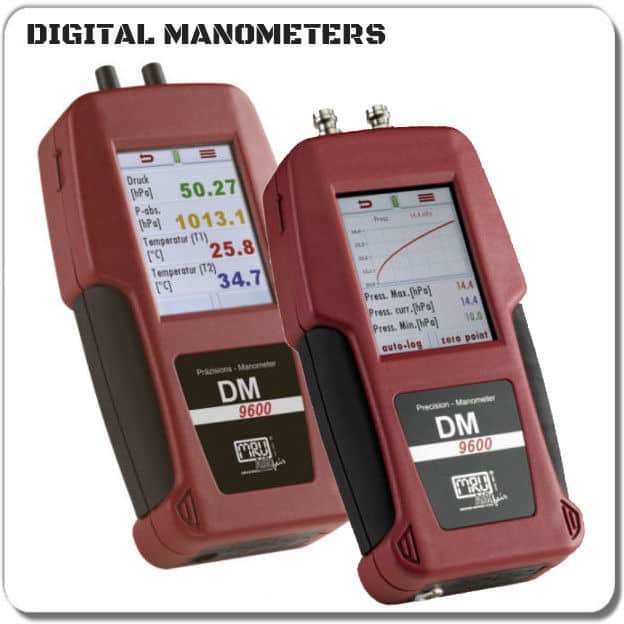
MRU Instruments offers a range of professional manometers designed for accurate pressure measurement. Choosing the appropriate manometer for your application can help ensure consistent results and reduce measurement errors.
If you need to learn how to read a manometer, understanding the fluid-level difference, pressure reference, measurement units, and proper reading technique is essential. With the right equipment and procedure, manometers provide a straightforward and effective way to measure pressure.