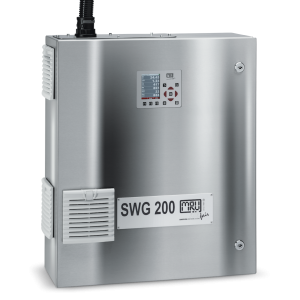
What Is a Vehicle Exhaust Gas Analyzer?
A vehicle exhaust gas analyzer is a measurement instrument designed to analyze gases produced by an engine during combustion. Also known as an automotive exhaust gas analyzer or emission gas analyzer, a vehicle exhaust gas analyzer measures the concentration of specific gases in an engine’s exhaust and provides valuable information about combustion performance, emissions, and overall engine operation.
An exhaust gas analyzer provides technicians with quantitative information about the gases produced during combustion. Vehicle exhaust gas analyzers are commonly used by automotive technicians, engine manufacturers, service professionals, and emissions-testing specialists. Depending on the model, an analyzer can measure multiple gases simultaneously, allowing users to evaluate combustion conditions, diagnose engine problems, and analyze vehicle emissions.
The term vehicle exhaust gas analyser is also commonly used to describe this type of equipment, particularly in markets where British English spelling is preferred. Regardless of the spelling, these instruments are designed to provide useful measurements of engine exhaust gases.
What Does a Vehicle Exhaust Gas Analyzer Measure?
A vehicle exhaust gas analyzer is typically a multi-gas instrument designed to measure important components of automotive exhaust. Depending on the model, measurements may include carbon monoxide (CO), carbon dioxide (CO₂), hydrocarbons (HC), oxygen (O₂), and nitrogen oxides (NOₓ).
Different sensor technologies can be used to measure these gases. Non-dispersive infrared (NDIR) technology is commonly used for gases that absorb infrared radiation, while electrochemical sensors can be used for oxygen and other combustion-related gases.
By measuring several exhaust components at the same time, an exhaust gas analyzer provides technicians with a more complete picture of engine combustion and emissions performance. Modern exhaust gas analyzers can be configured with different sensor combinations depending on the gases and concentration ranges that need to be measured.
What Is a Vehicle Exhaust Gas Analyzer Used For?
Automotive exhaust gas analyzers are primarily used to diagnose engine emissions problems and evaluate combustion performance. A vehicle exhaust gas analyzer can provide fast measurements that help technicians identify changes in exhaust gas composition that may indicate problems with the engine, fuel system, combustion process, or emissions-control system.
An exhaust gas analyzer can also be used for emissions testing, engine tuning, maintenance, and troubleshooting. Depending on the application, exhaust gas analysis may help investigate exhaust system leaks, no-start conditions, fuel-related problems, evaporative emissions issues, and unusual fuel odors.
A vehicle exhaust gas analyser can serve the same general diagnostic purpose, providing measurements that help professionals evaluate engine operation and exhaust emissions.
How Does an Exhaust Gas Analyzer Help Diagnose an Engine?
A vehicle exhaust gas analyzer gives technicians measurable information about the gases produced by an engine. Changes in CO, CO₂, HC, O₂, and other exhaust measurements can provide clues about combustion efficiency and engine operating conditions.
Rather than relying exclusively on visual inspection or engine symptoms, technicians can use an exhaust gas analyzer to evaluate what is happening during the combustion process. This makes exhaust gas analyzers useful diagnostic tools for automotive service, engine testing, emissions analysis, and troubleshooting.
The measurements from a vehicle exhaust gas analyser can be compared with expected engine operating characteristics to help identify conditions that may require further investigation.
How to Use a Portable Vehicle Exhaust Gas Analyzer
A portable vehicle exhaust gas analyzer should always be operated according to the manufacturer’s instructions. However, a typical testing process may include the following steps:
Turn on the analyzer. Allow the instrument to complete its startup procedure.
Connect the sample hose and probe. Make sure the sampling equipment is properly connected and positioned in the exhaust stream.
Perform the zero procedure. If required, use the analyzer’s zero function before collecting the exhaust sample.
Begin exhaust measurement. Once zeroing is complete, introduce the exhaust sample through the probe.
Review the readings. Monitor the gas concentrations to evaluate engine combustion and exhaust conditions.
Proper sampling, calibration, zeroing, and instrument maintenance are important for obtaining dependable measurements from a vehicle exhaust gas analyzer. The same principles apply when operating professional exhaust gas analyzers or a vehicle exhaust gas analyser designed for field testing.
Portable Vehicle Exhaust Gas Analyzer for Field Testing
A portable vehicle exhaust gas analyzer allows technicians to perform emissions and combustion measurements directly at the vehicle or engine. This makes portable exhaust analysis particularly useful when vehicles need to be tested at different locations.
A portable exhaust gas analyzer can be transported between service bays, testing areas, engine facilities, and other locations where exhaust measurements are required. Instead of relying exclusively on permanently installed testing equipment, technicians can take a vehicle exhaust gas analyzer directly to the automobile, truck, engine, or other combustion equipment being evaluated.
Portable exhaust gas analyzers can be useful for automotive repair facilities, engine testing, emissions diagnostics, manufacturers, fleet maintenance, and other applications requiring on-site gas measurements.
Vehicle Exhaust Gas Analyzer for Emissions Testing
A vehicle exhaust gas analyzer can provide important information during emissions testing by measuring the concentration of gases released from an engine. Monitoring CO, CO₂, HC, O₂, NOₓ, and other gases, depending on the analyzer, can help technicians evaluate the vehicle’s combustion and emissions performance.
An exhaust gas analyzer provides real-time measurements that can help technicians understand how exhaust composition changes under different operating conditions. Because exhaust composition can change with engine load, operating conditions, fuel, and engine condition, real-time measurement can be valuable when diagnosing emissions-related problems.
Professional exhaust gas analyzers can therefore be used as part of broader engine testing and emissions-analysis procedures.
Are Vehicle Exhaust Gas Analyzers Accurate?
The accuracy of a vehicle exhaust gas analyzer depends on several factors, including sensor quality, measurement technology, calibration, sampling technique, and proper instrument maintenance. Selecting an analyzer designed for the gases and concentration ranges expected in automotive exhaust is important for obtaining reliable results.
Proper calibration and following the manufacturer’s operating procedures can also help maintain measurement performance over time. The same considerations apply when selecting an exhaust gas analyzer or vehicle exhaust gas analyser for professional automotive testing.
Technicians should also consider the analyzer’s measurement ranges, sensor configuration, sampling system, response time, and operating environment when comparing different exhaust gas analyzers.
Choose a Vehicle Exhaust Gas Analyzer from MRU Instruments
MRU Instruments offers professional gas analyzers and other gas measurement equipment designed for demanding combustion and emissions applications. Our portable vehicle exhaust gas analyzers provide technicians with convenient tools for analyzing automotive exhaust and evaluating engine performance.
An exhaust gas analyzer from MRU Instruments can be used for a variety of combustion and emissions-testing applications. Depending on the model, the instrument may provide measurements of multiple gases to help technicians evaluate combustion and exhaust conditions.
Whether you need a vehicle exhaust gas analyzer for automotive emissions testing, engine diagnostics, combustion analysis, maintenance, or troubleshooting, the right gas analysis equipment can provide valuable real-time information about engine and exhaust performance.
Professionals searching for a vehicle exhaust gas analyser can also evaluate portable gas-analysis equipment based on the gases measured, required measurement ranges, sampling requirements, and intended application.