What is a Combustion Leak Tester What Are Its Uses and How to Use?
A coolant tester exhaust gas measurement can help identify combustion gases entering an engine’s cooling system. A combustion leak occurs when gases from the combustion chamber escape past the head gasket, cylinder head, cylinder liner, or another component and enter the cooling water jacket.
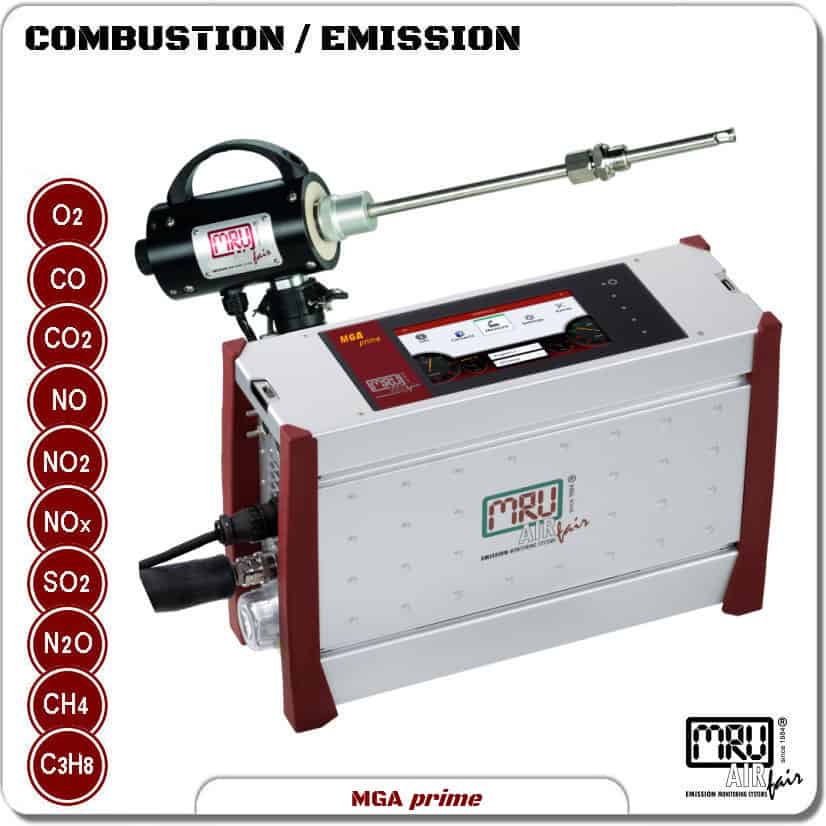
Testing for coolant tester exhaust gas is an important diagnostic procedure because combustion gases in the coolant can indicate a potentially serious engine problem. A combustion leak tester or exhaust gas analyzer can help technicians identify signs of combustion leakage before the problem causes additional engine damage. Exhaust gas analysers can provide another method of evaluating combustion gases and engine emissions during professional diagnostics.
What Is Coolant Tester Exhaust Gas?
Coolant tester exhaust gas refers to combustion or exhaust gases that have entered the engine coolant system. In a properly functioning internal combustion engine, the combustion chamber and cooling system remain separated. A damaged head gasket, cracked cylinder head, cracked engine block, or other failure can allow combustion gases to pass into the cooling system.
When combustion gases enter the coolant, they can increase cooling-system pressure and contribute to overheating and coolant loss. Detecting these gases can therefore provide an important indication of a combustion-system leak. Exhaust gas analysers may also be used in engine diagnostic applications to measure and evaluate combustion gases and emissions.
What Are the Uses of a Coolant Tester Exhaust Gas Tester or Combustion Leak Tester?
Most cars, trucks and other vehicles use water-cooled internal combustion engines. Because the cooling system operates adjacent to the combustion chambers, a failure in the sealing components can allow combustion gases to enter the coolant, resulting in a combustion leak.
A coolant tester exhaust gas or combustion leaktest can help technicians investigate symptoms such as:
Unexplained engine overheating
Excessive cooling-system pressure
Coolant loss
Repeated coolant overflow
Bubbles appearing in the coolant
Head-gasket failure
Possible cylinder-head or engine-block damage
Exhaust gases entering the coolant can also change the chemical characteristics of the cooling system, resulting in combustion leaks. Identifying combustion leaks early can help technicians determine whether additional engine diagnostics are necessary. Exhaust gas analysers can complement these diagnostic procedures by providing additional information about engine combustion and exhaust gases.
How Does a Combustion Leak Test Work?
A traditional combustion leak test generally consists of a testing chamber, transparent sight glass and connection designed to seal against the radiator or coolant-system opening. The tester is positioned so that gases from the cooling system can be drawn through the testing chamber.
Before performing a test, follow the equipment manufacturer’s instructions and make sure the engine and cooling system are at a safe temperature. Never remove a radiator cap or open a pressurized cooling system on a hot engine, as hot coolant and steam can cause serious burns.
Once the combustion leak tester is properly connected, combustion gases present in the cooling system can be analyzed. Changes detected by the testing fluid or gas-analysis equipment can indicate that exhaust gases are entering the coolant.
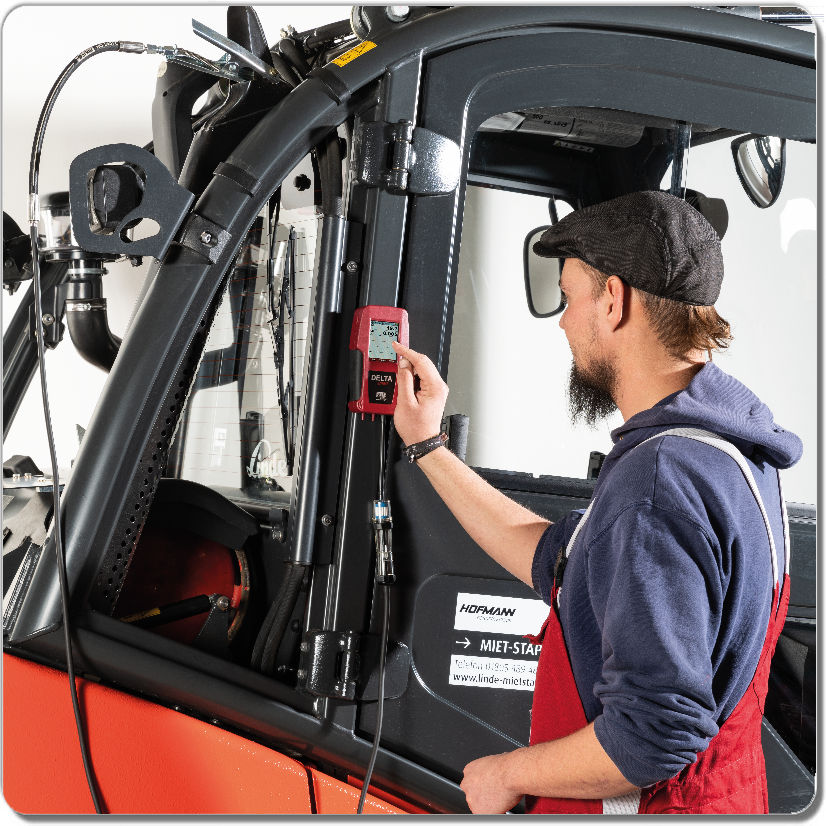
For more comprehensive engine diagnostics, technicians may also use exhaust gas analysers to evaluate gases produced by the engine under operating conditions.
Using Gas Analysis and Exhaust Gas Analysers for Combustion Leak Tests
A gas analyzer can provide another approach to identifying combustion gases associated with a combustion leak. Rather than relying solely on visual observations, gas-analysis equipment can measure specific gases and provide quantitative information.
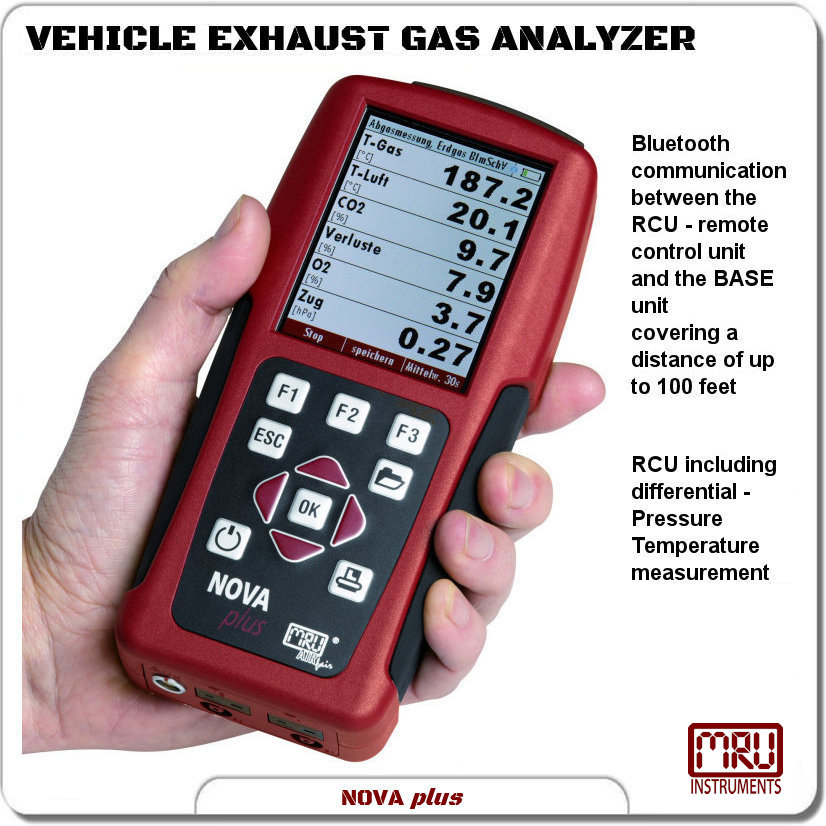
For professional automotive and engine testing applications, an exhaust gas analyzer can be used to measure combustion gases and evaluate engine emissions. Depending on the analyzer and application, measurements can include gases such as carbon monoxide (CO), carbon dioxide (CO₂), oxygen (O₂) and other combustion gases.
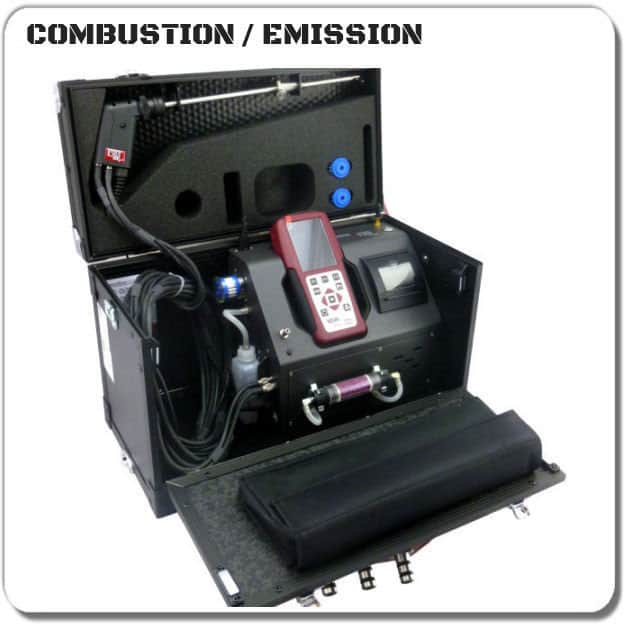
Exhaust gas analysers are professional measurement instruments that can help technicians evaluate engine combustion and emissions. They can be useful when diagnosing engine performance, checking combustion conditions, investigating emissions, or performing maintenance and testing procedures.
The appropriate testing method depends on the engine, cooling system and diagnostic objective. Always use equipment according to the manufacturer’s specifications.
Why Accurate Coolant Tester Exhaust Gas Measurements Matter
Finding combustion gases in coolant can be an important early warning sign of an engine problem. However, accurate testing is essential because cooling-system contamination, incorrect test procedures and other conditions can potentially affect results.
A reliable coolant tester exhaust gas testing procedure gives technicians useful information when diagnosing suspected head-gasket, cylinder-head or engine-block problems. Combining gas analysis with other diagnostic procedures can provide a more complete picture of engine condition.
Exhaust gas analysers can provide additional measurements that help technicians understand combustion performance and exhaust composition. When used alongside other diagnostic methods, gas-analysis equipment can help provide a more comprehensive assessment of an engine.
Choosing Reliable Exhaust Gas Analysers and Gas Analyzers
The reliability of combustion and emissions testing depends heavily on the quality and suitability of the testing equipment. MRU Instruments offers professional gas analyzers and measurement equipment designed for demanding combustion and industrial applications.
For technicians and professionals looking for accurate combustion and exhaust measurements, MRU Instruments provides gas-analysis technology for a variety of engine and emissions-testing applications. Exhaust gas analysers can be selected based on the gases being measured, required measurement ranges, application, portability, and testing environment.
Explore the available gas analyzers and measurement instruments at MRU-Instruments.com to find equipment suited to your testing requirements.