
Know the Basics of Gas Analyzer and Its Various Types Used in Industries
Introduction to Gas Analyzers
A gas analyzer is a scientific instrument designed to detect, measure, and identify the composition of gases in a given sample or environment. These devices are essential in various industrial settings where monitoring gas emissions, ensuring safety, and optimizing processes are critical. By analyzing gases such as oxygen, carbon monoxide, and hydrocarbons, gas analyzers help prevent hazards, comply with environmental regulations, and improve operational efficiency.
Why Gas Analyzers Are Important in Industries
Gas analyzers play a pivotal role in maintaining workplace safety by detecting toxic or combustible gases before they reach dangerous levels. They also support environmental compliance by measuring emissions to ensure adherence to strict regulatory standards. Additionally, these tools enhance process control, reducing waste and energy consumption while providing real-time data for informed decision-making. Without reliable gas analysis, industries risk costly downtime, legal penalties, and environmental harm.
Various Types of Gas Analyzers Used in Industries
Gas analyzers come in several types, each suited to specific applications based on factors like portability, accuracy, and the gases being measured. Here are some common categories:
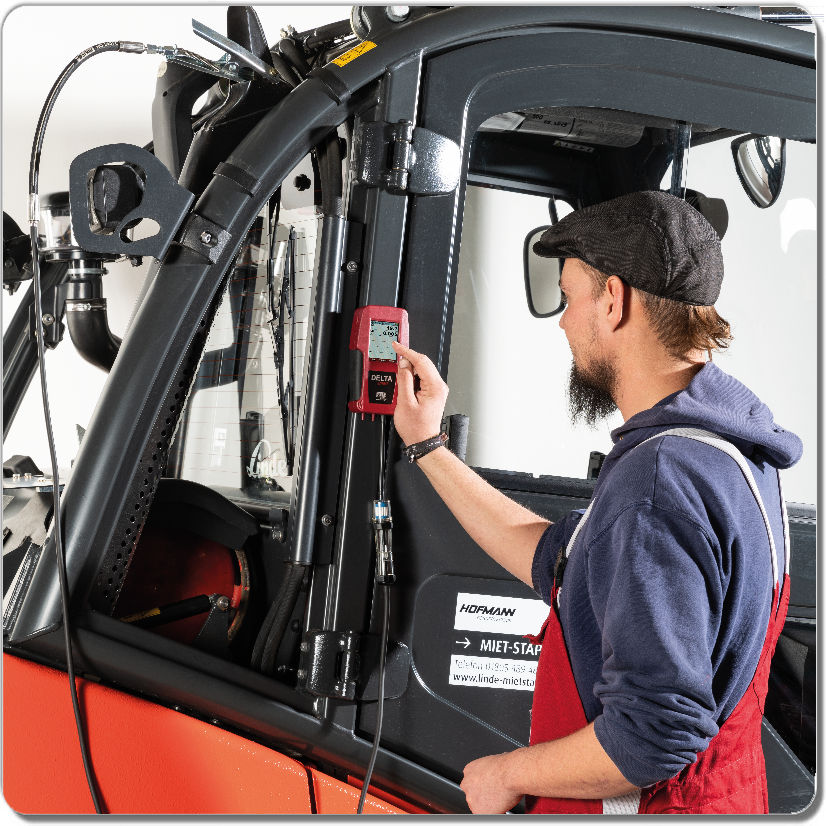
Portable Gas Analyzers: These handheld or compact devices are ideal for on-site testing and mobility. They are battery-powered, easy to transport, and often used for spot checks in combustion processes or leak detection. MRU Instruments offers models like the AMPRO plus and OPTIMAX, which provide quick readings for up to 7 gas components with features like long battery life and Bluetooth connectivity for data logging.
Stationary Gas Analyzers: Designed for continuous, real-time monitoring in fixed installations, these systems are robust and integrated into production lines or emission stacks. They deliver uninterrupted data for process optimization and compliance reporting. Examples from MRU include the SWG 100 Biogas Analyzer, which supports multi-site monitoring for harsh environments, and the OMS series for oxygen and combustibles in high-dust applications.
Biogas Analyzers: Specialized for renewable energy sectors, these focus on methane-rich gases in biogas, landfill, or CHP (combined heat and power) setups. They measure components like CH4, CO2, and H2S to ensure gas quality and engine performance. MRU's NOVAplus BIOGAS and OPTIMAX Biogas models use electrochemical and NDIR sensors for precise, simultaneous analysis, helping optimize energy yield while minimizing emissions.
Combustion/Flue Gas Analyzers: Tailored for efficiency testing in boilers, engines, and furnaces, these evaluate combustion byproducts to tune fuel-air ratios. They promote energy savings and lower emissions. MRU's VARIO luxx and MGAprime provide high-accuracy NDIR measurements for industrial combustion, with internal storage for thousands of data points.
Gas Detectors: Focused on safety, these portable units alert users to hazardous or combustible gases in real-time. They are simple, rugged, and often used in confined spaces or HVAC systems. MRU's 400GD series detects leaks of CH4, CO, and refrigerants quickly, with visual and audible alarms to prevent accidents.
List of Industries Served by MRU Instruments
MRU Instruments provides tailored gas analysis solutions across a diverse range of sectors, ensuring compliance, safety, and efficiency. Drawing from our applications expertise, here is a comprehensive list of key industries we serve:
Gases Tested by MRU Products
MRU Instruments' analyzers are engineered to detect a wide array of gases critical to industrial, environmental, and safety applications.
Gas analyzers are indispensable tools that bridge safety, efficiency, and sustainability in modern industries. By selecting the right type and leveraging advanced testing for specific gases, businesses can achieve precise control over their operations. At MRU Instruments, our commitment to innovation ensures our products—from portable detectors to stationary CEMS—meet the evolving demands of global sectors. For customized solutions, explore our full range or contact our experts today.